

Upgrading an old solenoid valve is a task that can enhance the performance, efficiency, and reliability of various systems. As a solenoid valve supplier, I've had the opportunity to help numerous customers through this process. In this blog, I'll provide you with a comprehensive guide on how to upgrade an old solenoid valve, covering everything from assessing the need for an upgrade to the final installation and testing.
Assessing the Need for an Upgrade
The first step in upgrading an old solenoid valve is to evaluate whether an upgrade is truly necessary. There are several signs that indicate it might be time to replace your existing valve. One of the most common signs is frequent malfunction. If the valve fails to open or close properly, or if it leaks, these are clear indicators of a problem. Additionally, if the valve is consuming more energy than usual, it could be a sign of wear and tear.
Another factor to consider is the age of the valve. Solenoid valves, like all mechanical components, have a limited lifespan. If your valve is approaching or has exceeded its expected lifespan, it's a good idea to start planning for an upgrade. You can usually find the expected lifespan in the valve's documentation or by contacting the manufacturer.
The current system requirements also play a crucial role in determining the need for an upgrade. If your system has undergone changes in pressure, flow rate, or temperature, your old valve may no longer be able to meet these new demands. In such cases, upgrading to a more suitable valve is essential.
Selecting the Right Replacement Valve
Once you've determined that an upgrade is necessary, the next step is to select the right replacement valve. This involves considering several factors, including the valve's size, material, and operating parameters.
The size of the valve is determined by the pipe diameter and the flow rate requirements of your system. A valve that is too small may restrict the flow, while a valve that is too large can be inefficient and costly. When choosing the size, refer to the specifications of your existing valve and your system requirements.
The material of the valve is also important, as it needs to be compatible with the fluid or gas flowing through it. For example, if you're dealing with water, a brass or stainless - steel valve may be suitable. However, if the fluid is corrosive, you'll need a valve made of a more resistant material.
Operating parameters such as pressure, temperature, and voltage are crucial considerations. The new valve should be able to withstand the maximum pressure and temperature conditions of your system. The voltage requirement should also match your power supply.
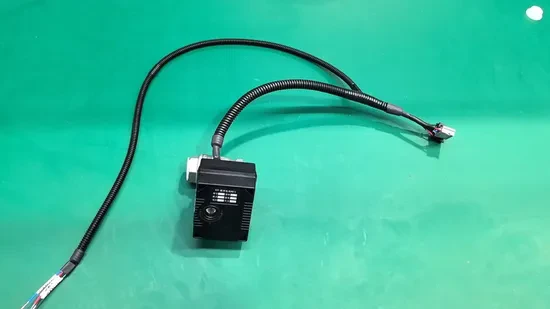

As a solenoid valve supplier, we offer a wide range of valves to meet different needs. For example, our Actuator Brass Water Ball Valve is a great option for water - based systems. It is made of high - quality brass, ensuring durability and corrosion resistance. Our 12V Motorized Water Valve is suitable for systems that operate on a 12V power supply, providing reliable and efficient performance. And the 3.6V Electric Ball Valve is ideal for low - voltage applications.
Preparing for the Upgrade
Before you start the upgrade process, it's important to take some preparatory steps. First, gather all the necessary tools and materials. This may include wrenches, screwdrivers, pipe cutters, and sealants. Make sure you have the correct size of tools for the job.
Next, turn off the power supply to the old solenoid valve. This is a critical safety step to prevent electrical shock. You should also shut off the flow of fluid or gas to the valve to avoid any spills or leaks during the replacement process.
It's a good idea to take some pictures of the existing valve and its connections before removing it. These pictures can serve as a reference when installing the new valve, especially if you're not familiar with the valve's wiring or plumbing connections.
Removing the Old Solenoid Valve
Once you've completed the preparations, you can start removing the old solenoid valve. Begin by disconnecting the electrical connections to the valve. This usually involves removing the wires from the terminals. Make sure to label the wires to ensure correct reconnection later.
Next, use the appropriate tools to disconnect the valve from the pipes. Depending on the type of connection, you may need to loosen nuts, bolts, or clamps. Be careful not to damage the pipes during this process.
After disconnecting the valve from the pipes, carefully remove it from its mounting location. Inspect the pipes and the mounting area for any signs of damage or wear. If necessary, clean the pipes and the mounting area to ensure a proper fit for the new valve.
Installing the New Solenoid Valve
Installing the new solenoid valve is the next step. Start by placing the valve in the mounting location. Make sure it is properly aligned with the pipes and the electrical connections.
Connect the valve to the pipes using the appropriate fittings. Apply a suitable sealant to the threads of the fittings to prevent leaks. Tighten the fittings to the recommended torque using a wrench.
Once the valve is connected to the pipes, reconnect the electrical wires according to the labels you made earlier. Double - check the connections to ensure they are secure and correct.
Testing the New Solenoid Valve
After installing the new valve, it's time to test it. First, turn on the power supply to the valve. Check if the valve opens and closes properly when energized. You can do this by observing the movement of the valve or by using a pressure gauge to monitor the flow.
Next, turn on the flow of fluid or gas to the valve. Check for any leaks around the valve and the connections. If you detect any leaks, tighten the fittings or apply more sealant as necessary.
Monitor the performance of the valve for a period of time to ensure it is operating smoothly. Note any issues such as abnormal noises, vibrations, or fluctuations in pressure or flow rate.
Maintenance and Troubleshooting
To ensure the long - term performance of the new solenoid valve, regular maintenance is essential. This includes cleaning the valve periodically, checking the electrical connections for tightness, and inspecting the valve for any signs of wear or damage.
If you encounter any problems with the valve, such as failure to open or close, leaks, or abnormal operation, there are several troubleshooting steps you can take. First, check the power supply to ensure it is providing the correct voltage. Next, inspect the electrical connections for any loose wires or damaged components. If the problem persists, it may be necessary to contact a professional technician or the valve manufacturer for further assistance.
Conclusion
Upgrading an old solenoid valve is a process that requires careful planning, selection, and installation. By following the steps outlined in this blog, you can ensure a successful upgrade that improves the performance and reliability of your system. As a solenoid valve supplier, we are committed to providing high - quality valves and excellent customer service. If you have any questions or need further assistance with upgrading your solenoid valve, please feel free to contact us for procurement and in - depth discussions.
References
- "Solenoid Valve Handbook" - A comprehensive guide on the theory, operation, and application of solenoid valves.
- Manufacturer's documentation for solenoid valves used as product references.