

Hey there! As a supplier of Hot Sale Non Woven Machine, I often get asked about the cutting blades used in these machines. So, I thought I'd share some insights on this topic.
First off, let's understand why the cutting blades are so crucial in a non woven machine. Non woven fabrics are used in a wide range of applications, from disposable medical supplies to home furnishings. And for these products to have a clean and precise finish, the cutting process needs to be spot - on. That's where the right cutting blades come in.
Types of Cutting Blades
Rotary Blades
Rotary blades are one of the most common types used in non woven machines. They work by rotating at high speeds to cut through the non woven material. These blades are great because they can handle continuous cutting operations with ease. You can think of them like the wheels of a car constantly moving forward, smoothly slicing through the fabric.
The design of rotary blades allows for a high - speed cutting process, which is essential for large - scale production. They are usually made from high - quality steel, which gives them the durability needed to withstand the wear and tear of continuous use. For example, in a Non - Woven Nonwoven Machine that produces disposable masks, rotary blades can quickly cut the non woven material into the right shape and size.
Straight Blades
Straight blades are another option. They are more suitable for applications where a straight and precise cut is required. These blades are often used in smaller non woven machines or for cutting specific parts of the fabric. They are like a sharp knife that you use in the kitchen to make a clean, straight cut.
The advantage of straight blades is their simplicity and precision. They can be easily adjusted to cut different widths and lengths of non woven material. In a Textile Spunbond Fabric Making Machine, straight blades might be used to trim the edges of the spunbond fabric to give it a neat appearance.
Circular Blades
Circular blades are also used in some non woven machines. They are similar to rotary blades but have a different cutting mechanism. Circular blades rotate around a central axis and are often used for cutting circular or curved shapes in non woven materials. They are like a pizza cutter, but instead of pizza, they cut through non woven fabric.
These blades are great for creating products like circular filters or round non woven pads. They offer a smooth and consistent cut, which is important for maintaining the quality of the final product.
Factors Affecting Blade Selection
Material of the Non Woven Fabric
The type of non woven fabric being cut plays a big role in blade selection. Different fabrics have different properties, such as thickness, density, and fiber composition. For example, if you're cutting a thick and dense non woven fabric, you'll need a blade that is strong and sharp enough to penetrate it. On the other hand, a thin and lightweight fabric might require a more delicate blade to avoid fraying.
Cutting Speed and Volume
The speed at which the non woven machine operates and the volume of production also matter. If you have a high - speed production line, you'll need blades that can keep up with the pace. Rotary blades are often a good choice in such cases because they can handle high - speed cutting without losing their sharpness quickly.
If you're producing a large volume of non woven products, you'll also need blades that are durable and long - lasting. This will reduce the frequency of blade replacement, which can save you time and money in the long run.
Cutting Precision
The level of precision required in the cutting process is another factor. If you're making products that require a very precise cut, like medical masks or high - end home textiles, you'll need blades that can provide that level of accuracy. Straight blades are often preferred for these applications because they can make straight and clean cuts.
Blade Maintenance
Proper blade maintenance is essential to ensure the longevity and performance of the cutting blades in a non woven machine. Here are some tips:
Regular Cleaning
After each use, it's important to clean the blades to remove any debris or residue from the non woven fabric. This can prevent the build - up of material on the blades, which can dull them over time. You can use a soft brush or a cleaning solution specifically designed for cutting blades.
Sharpening
Blades need to be sharpened regularly to maintain their cutting performance. The frequency of sharpening depends on the type of blade, the material being cut, and the cutting speed. Some blades can be sharpened in - house using a sharpening tool, while others might need to be sent to a professional sharpening service.
Inspection
Regularly inspect the blades for any signs of wear or damage. Look for chips, cracks, or dull edges. If you notice any problems, it's important to replace the blade immediately to avoid affecting the quality of the cut.
Why Choose Our Hot Sale Non Woven Machine?
When it comes to choosing a non woven machine, the quality of the cutting blades is just one aspect. Our Hot Sale Non Woven Machine offers a lot more.
We use only the highest - quality cutting blades in our machines. Our blades are carefully selected based on the specific requirements of each machine and the type of non woven products it will produce. This ensures that you get a clean, precise, and consistent cut every time.
In addition to the cutting blades, our machines are designed with the latest technology to provide high - speed and efficient production. They are also easy to operate and maintain, which means you can focus on your business without having to worry about complex machine operations.
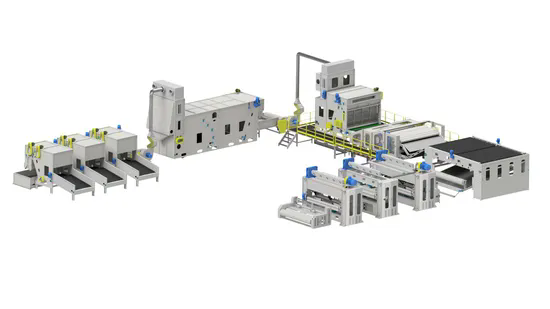

If you're in the market for a non woven machine, whether it's a Non - Woven Nonwoven Machine or a Textile Spunbond Fabric Making Machine, we'd love to hear from you. We can help you choose the right machine and cutting blades for your specific needs. Contact us to start a discussion about your non woven production requirements and let's work together to take your business to the next level.
References
- Industry knowledge and experience from working as a non woven machine supplier.
- Technical manuals and specifications of non woven machines and cutting blades.