

Hey there! I'm a supplier of Non - Woven Nonwoven Machines, and today I wanna talk about something super important in our field: the impact of temperature on these machines.
Let's start with the basics. Non - woven nonwoven machines are used to produce non - woven fabrics, which are widely used in various industries like medical, automotive, and home textiles. These machines work by bonding fibers together through different processes such as mechanical, chemical, or thermal methods. And temperature plays a crucial role in each of these processes.
Impact on Fiber Properties
First off, temperature affects the properties of the fibers used in non - woven production. Different fibers have different melting points and thermal expansion coefficients. For example, polypropylene fibers, which are commonly used in non - woven fabrics, start to soften at around 140 - 160°C and melt at about 160 - 170°C. When the temperature in the machine is too high, these fibers can melt prematurely, leading to uneven bonding and poor - quality fabrics.
On the other hand, if the temperature is too low, the fibers may not bond properly. The bonding process relies on the fibers reaching a certain degree of softness so that they can entangle or fuse together. In a High Speed Needling Machine, the needles punch the fibers to create a mechanical bond. If the fibers are too stiff due to low temperature, they may break instead of entangling, resulting in a weak fabric structure.
Effects on Machine Components
Temperature also has a significant impact on the machine components themselves. Most non - woven nonwoven machines have moving parts, such as rollers, belts, and needles. High temperatures can cause these parts to expand. If the expansion is not properly accounted for, it can lead to misalignments in the machine. For instance, the rollers may not be parallel anymore, which can cause uneven tension on the fabric during production. This uneven tension can result in wrinkling, stretching, or even tearing of the non - woven fabric.
Moreover, high temperatures can accelerate the wear and tear of machine components. The lubricants used in the machine may break down faster at elevated temperatures, reducing their effectiveness in reducing friction between moving parts. This increased friction can lead to overheating of the components, further exacerbating the problem and potentially causing premature failure of the machine.
In contrast, low temperatures can make the machine components more brittle. The belts and hoses may become stiff and crack more easily. The needles in a Production Line Needle Punched Felt Machine may be more prone to breakage in cold conditions. This not only affects the quality of the production but also increases the maintenance cost and downtime of the machine.
Influence on Production Speed and Efficiency
Temperature can also influence the production speed and efficiency of non - woven nonwoven machines. In a thermal bonding process, the temperature needs to be carefully controlled to achieve the optimal bonding strength in the shortest time possible. If the temperature is too low, the bonding process will take longer, reducing the overall production speed.
Conversely, if the temperature is too high, the machine may need to slow down to prevent damage to the fibers and components. For example, in a hot - air bonding machine, if the air temperature is too high, the machine may need to reduce the speed of the fabric passing through to avoid over - heating the fibers. This decrease in production speed directly impacts the efficiency of the manufacturing process and the profitability of the operation.
Environmental Temperature and Machine Operation
The environmental temperature where the non - woven nonwoven machine is located also matters. In a factory setting, the ambient temperature can vary depending on the season, geographical location, and the type of heating or cooling systems in place. If the factory is not properly temperature - controlled, it can be challenging to maintain a stable temperature inside the machine.
During the summer months, high ambient temperatures can make it difficult to keep the machine components cool. The cooling systems of the machine may have to work harder, increasing energy consumption. In the winter, low ambient temperatures can cause the machine to take longer to reach the optimal operating temperature, resulting in longer start - up times and wasted energy.
Controlling Temperature for Optimal Performance
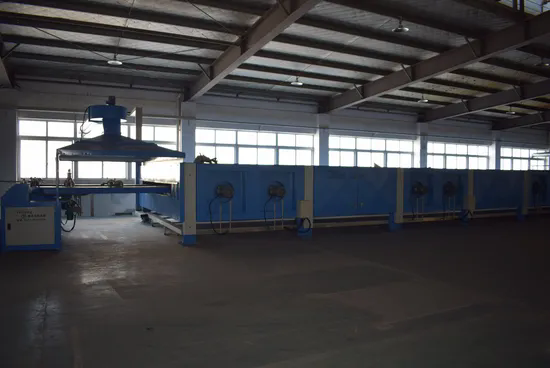
To mitigate the negative impacts of temperature on non - woven nonwoven machines, proper temperature control is essential. Most modern machines are equipped with temperature sensors and control systems. These systems can monitor the temperature inside the machine and adjust the heating or cooling mechanisms accordingly.
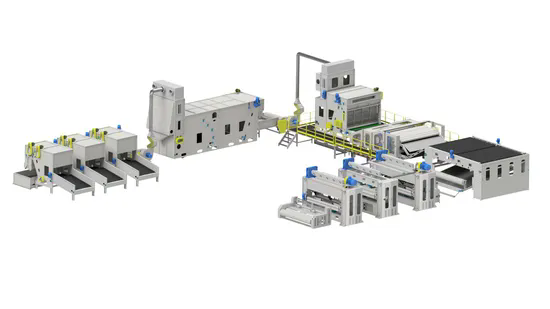
For example, in a Non - Woven Nonwoven Machine, the control system can regulate the temperature of the bonding area to ensure consistent and high - quality bonding. Additionally, the factory environment should be maintained at a relatively stable temperature. This can be achieved through the use of air - conditioning and heating systems.
Regular maintenance of the machine is also crucial. Checking the cooling and heating systems, lubricants, and machine components for any signs of damage or wear due to temperature variations can help prevent costly breakdowns.
Conclusion
In conclusion, temperature has a profound impact on non - woven nonwoven machines. It affects the fiber properties, machine components, production speed, and overall efficiency. As a supplier of these machines, I understand the importance of providing machines that can operate effectively under different temperature conditions.
If you're in the market for a non - woven nonwoven machine, or if you're facing temperature - related issues with your existing machine, I'd love to have a chat. We can discuss how to optimize the temperature control of your machine and ensure that you get the best performance and quality from your non - woven production. Don't hesitate to reach out for more information and to start a procurement discussion.
References
- "Nonwoven Fabric Handbook" by Horrocks, A. R., & Anand, S. C.
- "Textile Machinery and Its Components" by Das, B. K.