

Napping, a critical process in fabric making, plays a multifaceted and indispensable role in enhancing the quality, functionality, and aesthetic appeal of fabrics. As a seasoned fabric making supplier, I have witnessed firsthand the transformative power of napping in the textile industry. In this blog, I will delve into the significance of napping in fabric making, exploring its various functions and applications.
What is Napping?
Napping is a mechanical finishing process that involves raising the surface fibers of a fabric to create a soft, fuzzy, or velvety texture. This is typically achieved using a napping machine, which consists of a series of rotating cylinders covered with fine wire teeth or abrasive materials. As the fabric passes through the machine, the teeth or abrasives catch the surface fibers and pull them out, creating a raised pile.
The Role of Napping in Fabric Making
1. Enhancing Softness and Comfort
One of the primary roles of napping in fabric making is to enhance the softness and comfort of the fabric. The raised pile created by napping provides a cushioning effect, making the fabric feel softer and more luxurious against the skin. This is particularly important for fabrics used in clothing, bedding, and upholstery, where comfort is a key consideration.
For example, napped fabrics such as flannel and fleece are popular choices for winter clothing because they are soft, warm, and comfortable to wear. The napping process also helps to reduce the stiffness of the fabric, making it more flexible and easier to move in.
2. Improving Insulation
Napping can also improve the insulation properties of a fabric. The raised pile creates a layer of air between the fabric and the skin, which helps to trap heat and keep the body warm. This is why napped fabrics are often used in cold-weather clothing and outdoor gear.

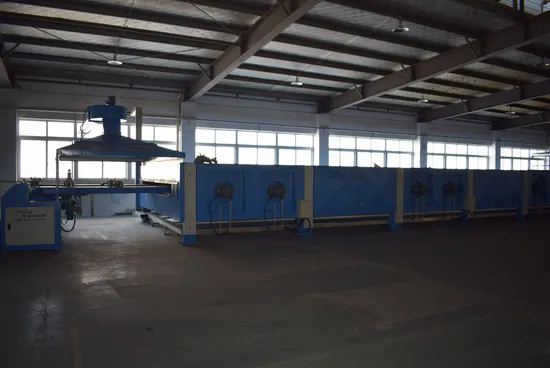
In addition, the napping process can also help to reduce the amount of heat that is lost through the fabric. The raised pile acts as a barrier, preventing heat from escaping and keeping the wearer warmer for longer periods of time.
3. Enhancing Aesthetic Appeal
Napping can significantly enhance the aesthetic appeal of a fabric, giving it a unique and luxurious look and feel. The raised pile creates a soft, fuzzy texture that adds depth and dimension to the fabric, making it more visually appealing.
For example, napped fabrics such as velvet and corduroy are known for their rich, luxurious appearance. The napping process creates a distinctive pattern of ridges and grooves, which gives the fabric a unique texture and sheen. This makes napped fabrics a popular choice for high-end clothing, upholstery, and home decor.
4. Improving Absorbency
Napping can also improve the absorbency of a fabric. The raised pile creates a larger surface area for the fabric to absorb liquids, making it more effective at wicking away moisture. This is particularly important for fabrics used in towels, bathrobes, and other absorbent products.
For example, napped cotton towels are more absorbent than non-napped cotton towels because the raised pile provides more surface area for the water to be absorbed. This makes napped towels more effective at drying the body and reducing the amount of water that is left on the skin.
5. Increasing Durability
Napping can also increase the durability of a fabric. The raised pile helps to protect the surface of the fabric from abrasion and wear, making it more resistant to damage. This is particularly important for fabrics used in high-traffic areas or for products that are subjected to frequent use.
For example, napped fabrics such as denim and canvas are often used in workwear and outdoor gear because they are durable and resistant to wear and tear. The napping process helps to strengthen the fabric and prevent it from fraying or tearing.
Applications of Napping in Fabric Making
1. Clothing
Napping is widely used in the production of clothing, particularly for winter wear and high-end fashion. Napped fabrics such as flannel, fleece, velvet, and corduroy are popular choices for jackets, sweaters, pants, and dresses because they are soft, warm, and comfortable to wear.
In addition, napping can also be used to create unique and stylish effects in clothing. For example, napped fabrics can be used to create a faux fur look or to add texture and dimension to a garment.
2. Bedding and Upholstery
Napping is also commonly used in the production of bedding and upholstery. Napped fabrics such as flannel, fleece, and velvet are popular choices for sheets, blankets, pillows, and furniture because they are soft, warm, and comfortable.
In addition, napping can also improve the durability of bedding and upholstery fabrics. The raised pile helps to protect the surface of the fabric from abrasion and wear, making it more resistant to damage.
3. Industrial and Technical Fabrics
Napping is also used in the production of industrial and technical fabrics. For example, napped fabrics are often used in filtration applications because they have a high surface area and can effectively trap particles.
In addition, napped fabrics can also be used in automotive interiors, aerospace applications, and other industries where durability, comfort, and insulation are important considerations.
Napping Machines and Equipment
To achieve the desired results in napping, specialized machines and equipment are required. As a fabric making supplier, we offer a range of Fabric Making machines and equipment, including Production Line Needle Punched Felt Machine and Textile Spunbond Fabric Making Machine, that are designed to meet the specific needs of our customers.
Our napping machines are equipped with advanced technology and features that ensure precise control over the napping process. This allows us to produce fabrics with consistent quality and performance, meeting the highest standards of the industry.
Conclusion
In conclusion, napping plays a crucial role in fabric making, enhancing the softness, comfort, insulation, aesthetic appeal, absorbency, and durability of fabrics. As a fabric making supplier, we understand the importance of napping in creating high-quality fabrics that meet the needs of our customers.
If you are interested in learning more about our Fabric Making products and services, or if you have any questions or inquiries, please do not hesitate to contact us. We look forward to discussing your requirements and helping you find the perfect fabric solutions for your needs.
References
- "Textile Science and Technology: Yarn Formation, Fabric Formation, and Fabric Structure" by Subhash Anand and Richard Postle
- "Handbook of Textile Fibre Structure" by A. R. Horrocks and S. C. Anand
- "Textile Finishing: Principles and Practice" by J. E. Booth